

When I stepped through Mrs. Halloway’s doorway that night, I thought I was just feeding a starving cat. I had no idea I was about to uncover a secret that would shatter everything I thought I knew about fame, family, and forgiveness.
I’m 38, married, with two kids, living in one of those quiet Midwestern towns where everyone waves from their front porches and knows your business before you do. You’d think that after almost a decade in one place, I’d know everyone on my street inside and out.
But the truth is, you never really know your neighbors. Not completely.
We’d moved to Maple Street about a year ago when my husband, Nathan, got a job at the local auto shop. He’s 41, works with his hands, and thinks I worry too much about other people’s problems. We’re just normal, boring people.
PTA meetings on Tuesday nights, soccer games on Saturdays, Sunday barbecues in the backyard with whoever wants to stop by.
Honestly, everyone on our street was friendly from day one. Mrs. Peterson brought us cookies. The Johnsons invited us to their Fourth of July party. The Martinez family let our kids splash around in their sprinkler system during hot summer days. Everyone was welcoming.
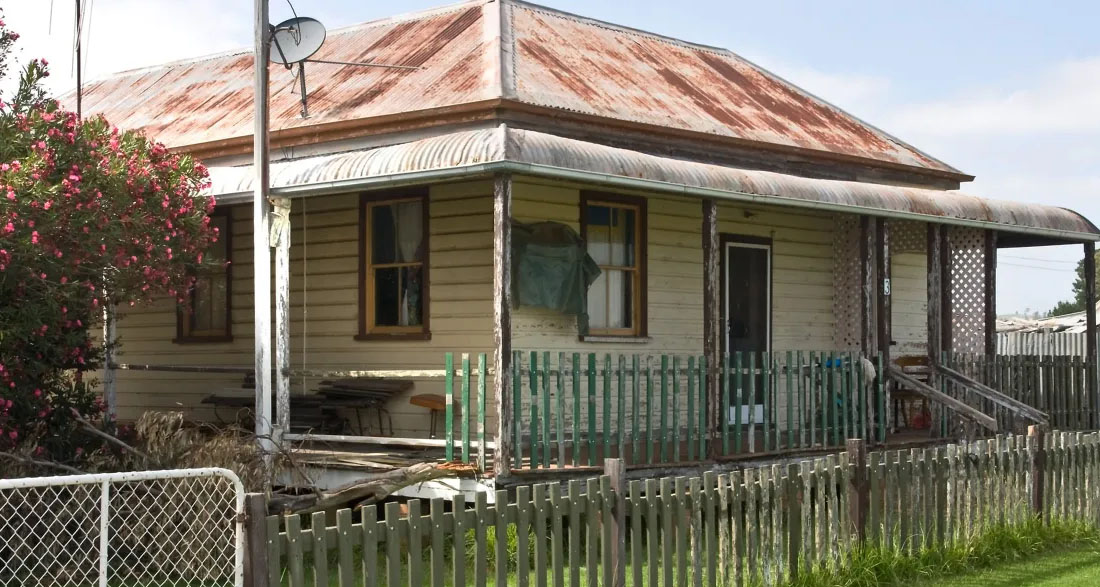
Except for the woman in the weather-beaten Victorian house at the far end of the street. Mrs. Halloway.
Nobody knew her first name, and nobody ever got invited inside that house. She shuffled to her mailbox every few days, wearing frayed pink slippers and an old housecoat, her gray hair piled into a messy bun that looked like it hadn’t been properly combed in weeks. She never made eye contact. Never waved. Never smiled.
“She lost her husband years ago,” Mrs. Peterson told me one afternoon while we watched our kids ride bikes. “Tragic story. Some people never recover from that kind of loss.”
But Mrs. Johnson had a different theory. “I heard her only child died young,” she said. “Car accident or something awful like that. That’s why she doesn’t talk to anyone anymore.”
Stories about her changed depending on who was telling them, but one thing stayed consistent: Mrs. Halloway had no visitors. Ever. No family came for the holidays. No friends stopped by for coffee. Packages sat on her porch for days before she even touched them.
Yet sometimes, late at night, when I walked our golden retriever around the block, I’d hear faint music drifting from her house. Sad, haunting piano melodies that made my chest tighten. And always, on her windowsill, a shadow of a cat would sit and watch the world pass by.
Two months ago, just after midnight on a Tuesday, red and blue lights started flashing across our bedroom wall like a strobe. My heart raced before I was even fully awake.
I looked out the window and saw an ambulance parked in front of Mrs. Halloway’s house.
I bolted outside in my pajamas, bare feet sticking to the wet sidewalk, not even thinking about how ridiculous I must have looked. Something deep in my gut screamed at me to move, to help.
Her front door was wide open. EMTs rushed in and out, radios crackling with medical jargon I didn’t understand.
As they wheeled Mrs. Halloway out on a stretcher, she looked so small and fragile under the white sheet, pale as paper, an oxygen mask covering her nose and mouth.
But then her eyes met mine. She lifted one shaky hand and gripped my wrist with surprising strength.
“Please… my cat,” she whispered, tugging the oxygen mask just enough to speak. “Don’t let her starve.”
“I’ll take care of her,” I promised. “I promise.”
The paramedics gently pulled her hand away and rushed her into the ambulance. In minutes, they were gone, leaving only spinning red lights reflecting off the houses and the echo of fading sirens.
I stood there, barefoot, staring at Mrs. Halloway’s open door. A door that had been locked tight for over two decades, now hanging open like an invitation.
Inside, the air smelled of dust and damp wood, as if I’d opened a trunk sealed for years. Her cat—a skinny orange tabby with white paws—raced toward me, meowing like she hadn’t eaten in days.
I followed her to the kitchen, bare feet sticking slightly to the worn linoleum. The pantry yielded cat food, and I filled her water bowl. I should have left then. Fed the cat, locked the door, gone home. But something deeper pulled me forward.
The living room was draped in white sheets like a ghost story. Curious, I lifted one. Beneath it was a grand piano, an old baby grand with yellowed keys, sheet music scattered across the top, covered in handwritten notes in faded blue ink.
And then I saw it—a framed black-and-white photograph on the mantle. A young woman in a glittering evening gown, eyes closed, lost in her music.
I froze. I recognized her face.
I grew up obsessed with jazz. My dad played scratchy old vinyl records of Ella Fitzgerald and Billie Holiday every Sunday morning. I sat at the kitchen table, captivated by their voices.
And this woman? She was a singer from the 1960s, famous for one haunting song that climbed the charts and then disappeared. My dad had always said, “Nobody ever figured out what happened to her. One day she’s on every radio station, the next day… gone.”
And here she was, living across the street from me. Feeding a cat. Playing sad piano music.
The next morning, I went to the hospital with a bouquet of daisies. My heart pounded. I found her in room 314, frail but alert, oxygen tubes in her nose.
“Mrs. Halloway,” I whispered, sitting close. “I know who you are.”
Her eyes narrowed. “No, you don’t.”
“I recognized the photo on your mantle,” I said softly.
Silence. The beeping of monitors, the hiss of oxygen, then a whisper: “Close the door.”
Once we were alone, she confessed everything, brokenly, in fragments between coughs and tears. She had been that singer. She’d had one record deal, one tour, one dream.
But her husband, Richard, her manager, was controlling and violent. He stole her money, dictated her every move, and threatened their daughter if she tried to leave.
“He convinced the label I was unreliable,” she whispered, staring at the ceiling. “Said I had drinking problems and mental issues. None of it was true, but who would they believe? Him or me?”
She vanished to protect her daughter. Became Mrs. Halloway. Moved into the shadows. And years later, her daughter was gone—she’d thought she’d died, but it wasn’t the truth.
I began visiting daily. Homemade chicken soup, helping with exercises, feeding Melody the cat. Slowly, like ice melting in spring, she let me in. My kids called her “Grandma,” and once, she played piano for them, fingers shaky but magical.
I posted anonymously on a vintage music forum. Responses flooded in:
“The lost voice of the sixties.”
“Her record sells for thousands now.”
“I’ve been searching for info on her my whole life.”
People had never forgotten her. But I didn’t tell her yet. She was fragile.
Then, one rainy Thursday, she confessed the truth about her daughter. She hadn’t died in a car crash—she’d left her, blaming her mother for staying silent. She’d changed her name, started a new life, and Mrs. Halloway never saw her again.
She handed me a folded paper with her last known address. It was in my own city, twenty minutes away.
For three weeks, I debated. Should I go? Would Mrs. Halloway’s daughter even want to be found? But the sadness in her eyes pushed me forward.
On a sunny Saturday, I rang the doorbell. A woman answered—late fifties, sharp green eyes, unmistakable resemblance to Mrs. Halloway.
“Can I help you?” she asked, polite but guarded.
“Um, hi. I’m Dori. I think I know your mother,” I stammered.
Her face went pale, and she slammed the door. I turned to leave, defeated, but a young voice called, “Mom? Who was that?”
I realized Mrs. Halloway had a granddaughter.
Back at the hospital, I told Mrs. Halloway everything. Tears streamed down her face.
“She has a daughter,” she whispered. “I’m a grandmother… and I never knew.”
“Do you want to meet them?” I asked.
“Yes,” she whispered. “I’m dying… maybe a few weeks left. Maybe I can at least say I’m sorry.”
The next week, I drove her in a wheelchair to her daughter’s house. Susan answered, still angry.
“How dare you bring her here?” she said.
But then a teenager, Emma, peeked out, curious. Three generations stood in silence, staring at each other across 26 years of pain. Slowly, Susan stepped aside, letting us in.
Mrs. Halloway wept, reaching for her granddaughter. Emma only saw a sad, lonely woman. Susan didn’t forgive instantly, but her daughter’s gentle kindness softened her.
“I waited for you to save us,” Susan said. “For years.”
“I was terrified,” Mrs. Halloway whispered. “I thought he’d take you away.”
“It wasn’t,” Susan said. “But I understand why you thought it was.”
As we left, Mrs. Halloway whispered, “I can die in peace now. They know I never stopped loving them.”
Two weeks later, she passed away peacefully, Melody curled beside her. At her funeral, Susan and Emma sat in front. My husband played her song on the piano. Emma sang softly, hauntingly beautiful, like her grandmother had.
And me? I thought back to that night—the ambulance, the open door, the starving cat that led me into a secret that changed lives.
Sometimes, being a good neighbor means more than waving from your porch. Sometimes, it means stepping into someone else’s story and helping them write a better ending.