

I used to think I understood grief — until the hurricane took Mark.
They called it “a once-in-a-generation storm,” the kind that rips towns apart and leaves nothing untouched. We listened to the warnings, stocked up on food, charged all the batteries, and tried to prepare.
When the sky darkened and the wind screamed like a living thing, I packed the kids and drove to safety, my heart pounding with every gust.
Mark stayed behind. He promised me he would follow after securing the house, tying down the shutters, and making sure everything would survive the storm.
He never made it back.
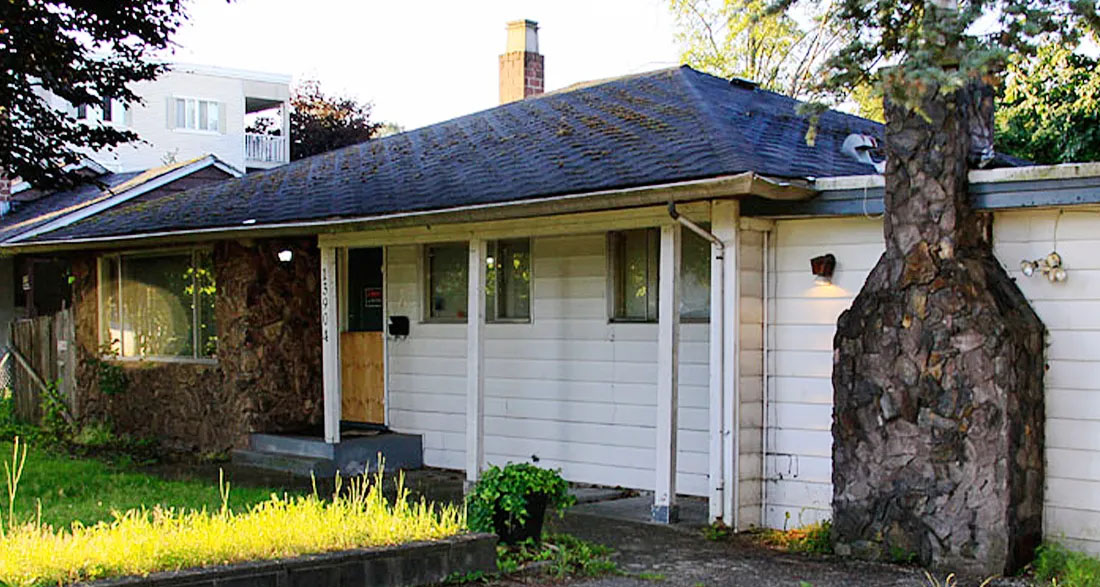
I still remember the sirens, the relentless pounding of rain like fists on the roof, and the eerie silence that followed. Returning home, I found half our roof gone, water streaming down the walls, and the air thick with mold and smells I couldn’t name.
Mark’s boots were still by the door.
That was a year ago.
The house was technically livable. I patched leaks, cleared debris, and made sure the kids had beds. But every cracked wall, every water-stained ceiling whispered: this is where everything changed. This was the place the storm struck.
The place their father died. The place we all fractured a little. I wasn’t just fixing a house — I was trying to shield my children from the grief buried in the drywall. And every day it stayed like this, I felt like I was failing them.
Since then, I’d been surviving.
I’m 37. I’m a widow raising three kids: Mia, 12; Ben, 10; and little Sophie, six. Every day began before sunrise. I worked the morning shift at a diner, pouring coffee for regulars, pretending not to wince when fatigue locked my knees.
In the evenings, after dinner, homework, and baths, I edited documents for clients I’d never meet — legal files, academic papers, stories about lives I’d never lived. Every dollar went straight back into the house.
I replaced floorboards Mark had promised to fix next summer. I scrubbed mold until my hands cracked. I tried to rehang peeling wallpaper, but the glue never held. Still, I tried. I wanted the kids to have a home that didn’t feel like it was collapsing under the weight of memory.
I didn’t care that I was exhausted. I didn’t care about thinning hair, screaming back muscles, or the tears I hid in the shower. I only cared about keeping my children safe, about giving them a world that hadn’t ended the night the storm swallowed their father.
But one afternoon, while dragging the last piece of our threadbare couch to the curb, my body betrayed me.
I collapsed onto the pavement, the sun spinning above like it had lost its orbit.
“Mom!!” Ben screamed.
Then everything went black.
When I woke, I was in a hospital bed, the lights harsh, every sound piercing. Tubes ran into my arm, monitors beeped, and Helen — my mother-in-law — sat quietly in the chair beside me, her expression unreadable.
“Claire, you’re going to kill yourself if you keep this up, darling,” she said softly but firmly.
I tried to sit up, wincing.
“I don’t have time to stop, Helen,” I whispered. “I need to fix the house. I need to make sure the kids have everything. I need to do — everything.”
Helen didn’t flinch.
“The doctor told me everything,” she said. “You’re in pre-stroke condition. If you don’t rest, Claire, you won’t be here to finish what you’ve started. That house can wait. But your kids cannot lose you. Not another parent.”
Her words sank deep. I wanted to collapse to the floor and cry.
Then she reached into her purse and pulled out a thick envelope. Sliding it across the table, she said, “It’s help.”
I opened it. Cash. Not a little — a lot.
“I’ve booked you a retreat,” Helen explained. “Three weeks. Somewhere warm, with soft beds, food you don’t have to cook. You need to breathe, Claire. You need to grieve.”
I shook my head, dizzy. “Helen, I can’t… I can’t just leave. The kids… they barely understood Mark’s death. I can’t walk away from them.”
“You won’t,” she said, calm, her hands folded neatly. “I’ll stay with them. They’ll be safe. Trust me — you need this.”
Before I could protest further, the doctor arrived.
“Claire,” he said gently, “your blood pressure is dangerously high. If you don’t rest, I can’t guarantee your health. You need this. You have to take this time.”
Something inside me gave way. I wanted to scream that I was fine. That moms don’t rest. That laundry piles, school forms, leaking roofs — they can’t wait.
“I don’t have time,” I whispered, voice breaking.
Helen took my hand, warm and firm.
“There won’t be anything left to fix if you’re not here, Claire,” she said.
I cried, I argued, I tried every excuse. And finally… I nodded. Not for me. For the kids.
The retreat was stunning. Crisp ocean air, soft beds, food served by people who smiled with their eyes. But the first few days were torture. My hands twitched for brooms. My shoulders braced for stress that never came.
What if Sophie cried? What if Mia forgot her inhaler? What if Ben locked himself in the bathroom out of frustration?
But Helen called every evening. Calm, competent, reporting victories:
“Mia finished her science project.”
“Sophie brushed her teeth — no complaints!”
“Ben won’t eat peas. He specifically asked me not to buy them.”
I slept. Truly slept.
By the second week, I laughed — a real laugh. Someone at the retreat cracked a corny yoga joke. I laughed. I stood waist-deep in the ocean, sunlight on my face, and for a moment, forgot the weight of everything I’d been carrying. I felt like me again.
Three weeks later, Helen met me at the airport. She looked calm, collected, almost unreadable.
“Ready to see your home?” she asked.
“I’m scared parts of it might have collapsed,” I admitted, laughing softly.
She didn’t answer. Just smiled as we drove.
Pulling into the driveway, small details struck me first. The grass trimmed, the flowerbed blooming, the front windows gleaming.
“Helen…” I murmured. “Did you…?”
“Why don’t you go inside?” she said, cutting the engine.
I stepped through the front door. My breath caught.
The smell — not mildew, not damp wood, but lavender and warmth. The floors, smooth and shining. The living room — walls cream, couch plush, family photos perfectly framed.
I stumbled forward.
The kitchen sparkled. Cabinets closed smoothly. Countertops gleamed. Drawers neatly organized.
“This… this isn’t my house,” I whispered.
“Welcome home, darling,” Helen said, stepping in.
My knees buckled. I fainted, and when I woke, my kids were around me.
“Mom!” Mia cried. “You fainted again.”
“You okay, Mommy?” Sophie asked, patting my cheek.
“You’re dramatic, Mom,” Ben said, half-smiling.
I hugged them, trembling.
Helen handed me an envelope.
“Proof, honey,” she said.
Inside, receipts, invoices, furniture orders — every detail of the home meticulously documented. On top, a note:
“Claire, I paid for everything. Every patch, every paint stroke, every cushion. You were drowning. Now you’re home. Your children have a safe place to grow. Love, Helen.”
I sat there, tears blurring the ink.
Helen hadn’t just cared for the kids. She’d moved in, supervised homework, prepared meals, managed contractors — all without us noticing. Every dollar came from Mark’s insurance and her savings, used to rebuild our lives.
“I didn’t want it,” she said one evening over pasta. “Not when you needed it more. Mark would have wanted this.”
One morning, she placed a folder of papers on the table.
“This is your husband’s life insurance,” she said. “The trust got delayed after the storm. I got it all sorted. Everything is accessible for the kids, for you, for emergencies… whatever you need.”
“You did all of this?” I asked.
“I promised Mark I’d take care of you,” she said. “And I kept my word.”
“And you used your portion of the money…” I whispered.
“I have savings, honey,” she said. “I don’t need it. You do.”
I hugged her, not in grief, not in exhaustion, but in deep, soul-level gratitude.
A month later, sunlight filled our restored home. Laughter echoed through rooms. Helen walked in with cookies.
“I told you your mom would be okay,” she said.
She was right.
Helen didn’t just restore our home — she restored our lives. And she gave us something I thought we’d lost forever: a fresh start.