

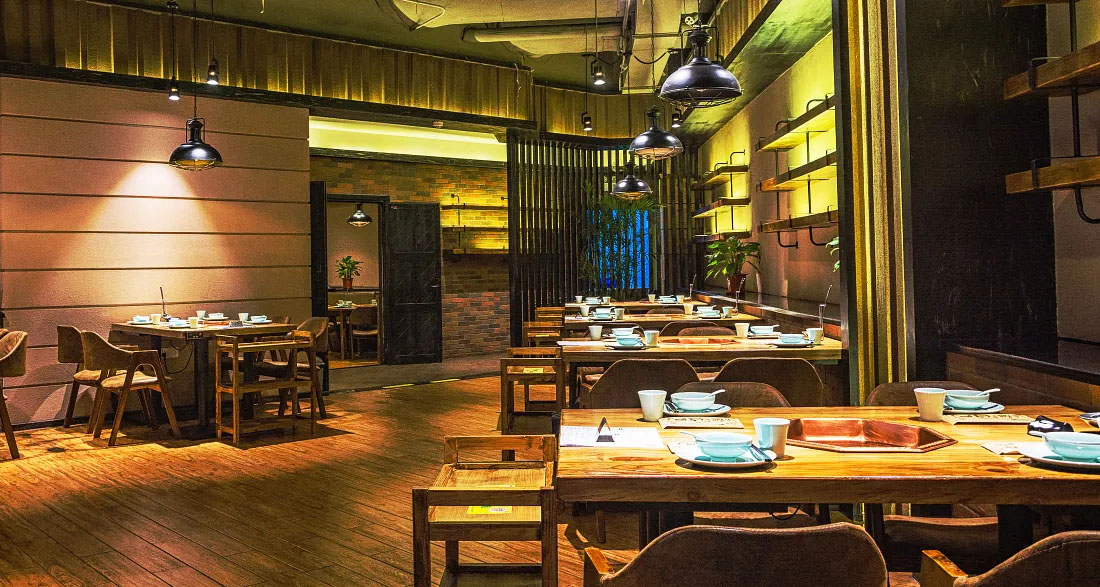
I thought our anniversary dinner would save my marriage. I truly believed that one romantic night could fix the cracks, smooth over the years of tension, and remind my husband why he once loved me.
Instead, it became the night he and his mother humiliated me in front of a room full of strangers.
I walked out in tears… and straight into someone who would quietly, unexpectedly change my life forever.
My name is Elizabeth. I was 32 at the time, and I had never been someone who believed in fate. I liked plans. Structure. Numbers that added up neatly. That’s probably why I became a financial analyst. Spreadsheets made sense to me. People rarely did.
If someone had told me that a random Tuesday night would tear my life apart and then rebuild it in a completely different shape, I would’ve laughed. Fate felt lazy to me. I believed in effort.
That night, I almost didn’t go out at all.
Work had wrung me dry. My curls refused to cooperate. I’d just finished arguing with my dry cleaner over a blazer they’d ruined. I stood in my apartment staring at my reflection, exhausted and annoyed, seriously considering canceling.
But my friend Marcy wouldn’t let it go.
“Elizabeth, you need to come,” she insisted over the phone. “You’ve been working nonstop. One dinner won’t kill you.”
So I went. Thirty minutes late. Underdressed. Already regretting my decision.
And that’s when I met Peter.
He was standing near the window, tall and lean, wearing a navy button-down that made his blue eyes stand out. He wasn’t loud. He didn’t demand attention. But there was something about him—something calm and focused—like he genuinely listened when people spoke.
When I made a sarcastic joke about quinoa being a conspiracy invented to punish people, he laughed. Not a polite chuckle. A real laugh.
Later, he handed me a glass of wine and said,
“I like that you’re honest. Most people pretend to like quinoa.”
I smiled and replied,
“I pretend to like a lot of things. Makes life easier.”
He shook his head.
“I think hard truths are better than soft lies.”
That moment felt small at the time. It wasn’t.
For months after that, Peter was everything I thought I wanted. Gentle. Attentive. Thoughtful in quiet ways. He brought me flowers on random Tuesdays because, as he said,
“I walked past a stall and thought of you.”
He texted to make sure I got home safe—even after casual outings. He remembered my coffee order. He listened when I talked about impossible deadlines and difficult clients, really listened. He told me he admired my drive. That I inspired him.
Those words did something to me.
At work, I was always chasing recognition, promotions, approval. But hearing him say those things felt deeper than any performance review. For once, I wasn’t just competent. I was wanted.
So when he proposed, I didn’t hesitate.
It was a cold October evening in the same park where we’d had our first date. Fairy lights hung above the bench we always claimed. Before I could even process what was happening, he was on one knee, holding out a ring, smiling like he already knew my answer.
I said yes.
Three weeks later, I met his mother, Helen.
She was elegant, probably in her late 60s, with silver hair styled in perfect curls. Her voice was smooth and polite—but just sharp enough to feel condescending if you listened closely.
She called me “dear” constantly and offered compliments that didn’t quite feel like compliments.
“You’re very poised for a working woman,” she said once.
“Peter’s always liked quiet girls, but you’re… interesting.”
She spoke at length about how Peter was her only child after a long, difficult pregnancy. How she raised him mostly on her own. Her voice softened when she told stories about him breaking his arm at eight and refusing to cry because she looked worried.
For a moment, I didn’t just see a mother. I saw a woman who had built her entire world around her son.
But there was something intense about her attachment.
She adjusted his collar without asking. Cut his food. Finished his sentences—often correcting him.
If he said, “We went to that lake when I was nine,” she’d interrupt with,
“No, darling. You were ten, and it wasn’t a lake. It was a resort in Aspen.”
He’d laugh. I forced myself to laugh too.
I told myself it was just closeness. That she was lonely. I hadn’t grown up around strong maternal figures, so I wasn’t even sure what “normal” looked like.
Still, when she called him “my boy” and he didn’t correct her, something inside me tightened.
Love makes you blind. Or maybe just willing to ignore warning signs.
After the wedding, the change came slowly. Like water dripping from a leaky faucet.
The man who used to bring me coffee stopped noticing when breakfast was ready. He left dirty mugs everywhere. Stopped helping around the house.
When I asked why, he shrugged and said,
“Mom never worked. She took care of the home. It just makes sense.”
We both worked full-time. I made more money. Yet somehow, taking out the trash once a week made him feel heroic.
Helen visited constantly. Always with advice.
One day, while Peter was on a call, she stirred her tea and said softly,
“It’s hard letting go. He used to need me for everything.”
Then she smiled tightly. “I guess that’s just how it goes.”
Another night, she said flatly,
“A wife should make her husband’s life easier.”
I looked at Peter. He said nothing.
I stayed because I remembered who he used to be.
When our second anniversary approached, he surprised me by planning something. Told me to dress up. Booked a reservation at a restaurant I’d mentioned months earlier.
Hope flickered.
I spent hours getting ready. Wore the navy dress he once loved. Curled my hair. Wore heels.
The restaurant looked perfect. Dim lights. White tablecloths. Soft piano music.
Then I saw her.
Helen was sitting at our table.
I whispered,
“Why is your mom here?”
Peter looked confused.
“Why wouldn’t she be?” he said. “She made me who I am.”
We sat.
When the food arrived, Peter suddenly snapped,
“Are you serious? You ordered shrimp? You KNOW my mom’s allergic!”
I froze.
“I didn’t know,” I whispered. “You heard my order.”
Helen clicked her tongue.
“Some people just don’t think,” she said.
Peter hissed,
“You always make everything about you.”
People stared.
Then he said loudly,
“Just get out. You’ve embarrassed me enough.”
I stood and walked away—straight into a familiar voice.
“Elizabeth? Is that you?”
It was William.
Peter snapped,
“Who are you?”
William said calmly,
“Are you okay?”
Helen cut in,
“This is a family matter.”
William replied,
“That’s not how you treat your wife.”
Outside, William offered me a ride. I declined. He gave me his number.
That night, Peter came home angry. Not apologetic.
Something inside me finally broke—but quietly.
“I’m done,” I said.
The next day, I filed for divorce.
Helen spread rumors. But the restaurant footage proved everything.
William gave me the flash drive and said,
“No pressure. I’ll be around.”
Months later, after the divorce, we met again. Slowly. Carefully.
Now, we’re engaged.
He proposed in my kitchen and said,
“I want something real with you. Messy. Boring. Beautiful.”
I said yes.
That anniversary dinner didn’t break me.
It saved me.
Because that was the night I finally walked away…
and unknowingly stepped into the best chapter of my life.