

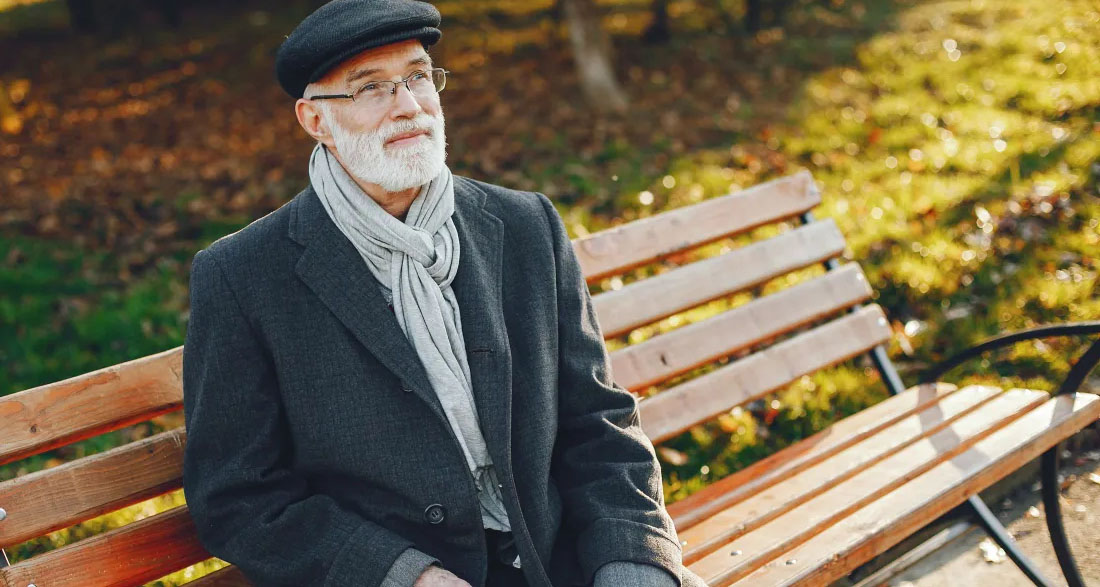
I used to believe my life was built on truth.
I lived in a quiet suburban neighborhood where nothing dramatic ever happened. The biggest argument I’d had all year was with myself—whether tulips or daffodils would look better by the mailbox.
My mother, Nancy, raised me on rules.
“Keep your porch clean, your hair brushed, and your secrets locked up tight,” she always said.
Straight lines. Straight talk. No mess.
I believed I was the kind of woman who could spot a lie anywhere.
I’m Tanya. Thirty-eight years old. Mother of two girls. Wife to a charming, steady man named Richie. I run the neighborhood watch spreadsheet like it’s a military operation. I know who leaves their trash bins out too long and who forgets to turn off their porch lights.
I believed I knew everything that mattered.
But when Mr. Whitmore died, with him went every scrap of certainty I ever had about what it means to know someone… or even to know yourself.
The Letter
The morning after his funeral, I found a sealed envelope in my mailbox.
It was thick. Heavy. My name was written in looping blue ink: Tanya.
The sun was rising behind me, warm on my back, but my hands were shaking.
“It’s probably just a thank-you note,” I muttered to myself. “For organizing the memorial.”
That’s what polite families do in towns like ours.
But when I opened it, it wasn’t a thank-you.
Richie stepped onto the porch, squinting into the light.
“What’s up?” he asked.
“It’s from Mr. Whitmore,” I said quietly.
He frowned. “From… him?”
I handed him the letter. He read it silently, his lips moving.
Then he read it again.
Inside, it said:
“My dear girl,
If you’re reading this, I’m no longer here.
This is something I’ve been hiding for 40 years.In my yard, under the old apple tree, a secret is buried, one I’ve been protecting you from.
You have the right to know the truth, Tanya.
Don’t tell anyone about this.— Mr. Whitmore.”
Richie looked up slowly.
“Honey… why would a dead man send you to dig in his backyard?”
“I… I don’t know,” I whispered. “He wants me to dig under the apple tree.”
From inside the house, Gemma’s voice rang out:
“Mom! Where’s the bubble-gum cereal?”
Richie blinked. “Are you okay?”
“I barely knew him,” I said, my voice thin.
Gemma yelled again, louder. “Mom!”
“It’s in the cabinet next to the fridge!” I shouted back. “And don’t add sugar!”
Richie lowered his voice. “Are you going to do it?”
Just then Daphne ran in, hair wild from sleep.
“Can we go to Mr. Whitmore’s yard after school?” she asked. “I want more leaves to paint!”
Richie and I exchanged a look.
“Maybe later,” I said. “Let’s just get through today.”
But the letter burned in my pocket all day long.
The Apple Tree
That evening, I stood at the window, staring at the twisted branches of the apple tree next door.
Mr. Whitmore had always been kind. Every Christmas, he left an envelope of cash “for candy for the girls.” He waved every morning. He remembered birthdays.
He had watched my daughters grow up.
Richie wrapped his arms around me.
“If you want to dig,” he said softly, “I’ll be there. You don’t have to do anything alone.”
“I just need to know,” I whispered.
“Then we’ll find out what he left you,” Richie said. “Together.”
I didn’t sleep that night.
I walked circles around the house, stopping at the back window. My reflection looked small and tired. Brown hair in a fraying ponytail. Pajama pants sagging.
Not the picture of a woman about to dig up her past.
My mother’s voice echoed in my mind:
“You can’t hide what you are, Tanya. Eventually, everything finds its way to the surface.”
The letter in my pocket felt like proof.
The next morning, after the girls left for school and Richie went to work, I called in sick.
I put on my gardening gloves.
Picked up a shovel.
And walked into Mr. Whitmore’s yard.
I felt like a thief.
The apple tree blossoms trembled in the wind. I pressed the shovel into the dirt. The soil gave easily, softer than I expected.
Then—
Clang.
Metal.
My heart jumped into my throat.
I dropped to my knees and dug faster. Soon I uncovered a rusty metal box, heavy and worn.
My hands were shaking as I unlatched it.
Inside was a small envelope with my name.
A photograph.
And a faded blue hospital bracelet.
I picked up the photo.
It was a man in his thirties, holding a newborn baby under bright hospital lights.
My breath stopped.
The hospital bracelet had my birth name printed in block letters.
My vision tunneled.
“No… no… that’s not…” My voice cracked. “That’s me?!”
I tore open the letter.
“My darling Tanya,
If you’re reading this, it means I’ve left this world before telling you the truth myself.
I didn’t abandon you. I was removed.
Your mother was young, and my mistakes were many. Her family thought they knew best.
But I am your father.
I contacted Nancy once, years ago. She told me where you lived.I moved in not long after. I tried to stay close without hurting you, or her. I watched you grow into being a mother.
I didn’t abandon you.
I have always been proud of you.You deserve more than secrets. I hope this sets you free.
You’ll find legal papers inside. I’ve left everything I own to you. Not out of obligation, but because you are my daughter.All my love, always,
Dad.”
Dad.
Mr. Whitmore was my father.
He had lived right next door to me for years.
And I never knew.
The Confrontation
Richie found me under the apple tree, mud on my knees, tears on my face.
“Tan… are you hurt?”
I handed him the letter and the photo.
He read them quickly, eyes widening.
“Baby… he was your father?”
I nodded.
“He lived next door,” I whispered. “All this time.”
Richie pulled me into his arms.
“We’ll figure this out. We’ll talk to your mom.”
I called my mother that afternoon.
“Mom, can you come over? Now. Please.”
She arrived in twenty minutes, tight-lipped and sharp-eyed.
“What’s going on? Are the girls okay?”
“They’re fine,” I said, sliding the photo and letter across the table. “I found these under Mr. Whitmore’s apple tree.”
Her face drained of color.
“Why were you digging in his yard?” she asked weakly.
“He asked me to. In a letter.”
She read silently.
Then she sank into a chair.
“I was 19,” she whispered. “My parents said he’d ruin my life. They made me choose—keep you, or keep him. They threatened to throw me out. I did what they wanted.”
“So you cut him out?” I asked, my voice shaking. “He missed my birthdays. My graduations. Everything.”
“I thought I was protecting you,” she cried. “I thought you’d have a better life without him.”
“You did it to protect yourself,” I said. “You let him live right next to me. And I never knew.”
She sobbed. “I’m sorry, honey.”
“You can’t bury someone forever, Mom,” I said quietly. “It always comes back up. You taught me that.”
I tapped the second sealed envelope on the table.
“He left you a letter too.”
Then I said something I never thought I would.
“You can tell the family the truth. Or I will read his words at dinner on Saturday.”
For once, I wasn’t cleaning up someone else’s mess.
The Truth Comes Out
The next days were chaos.
Aunt Linda called. “Your mother did what she had to do!”
Pastor Evans stopped me in the parking lot. “Your mother always wanted the best for you, Tanya.”
I just nodded.
Because the truth was bigger than their excuses.
At Saturday dinner, the house was full.
Forks clinked. Voices murmured.
Then Aunt Linda slammed down a casserole dish and said loudly,
“Your mother did what she had to do, Tanya. Get over it.”
The room went silent.
I looked around the table.
“No,” I said clearly. “She did what was easiest for her. And he paid for it every day. I’m allowed to be upset. I’m allowed to be hurt.”
My mother’s face crumpled.
For the first time, she didn’t defend herself.
She just nodded and whispered,
“I’m sorry.”
And I believed that she meant it.
Goodbye, Dad
That Sunday, I went to the cemetery with apple blossoms in my arms.
I knelt at Mr. Whitmore’s grave.
“I wish you’d told me sooner,” I whispered. “You were right there. We could have had more time.”
The wind moved through the oak trees.
I placed the flowers gently on his grave.
“I didn’t know,” I said softly. “But I know now.”
And nobody could bury the truth again.