

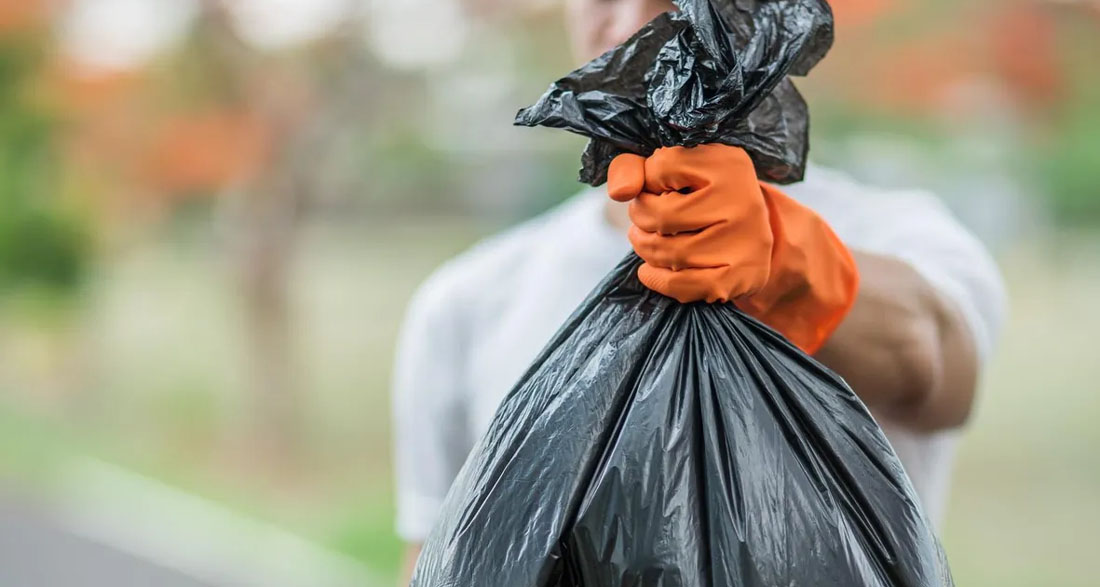
My classmates made fun of me because I’m the son of a garbage collector—but on graduation day, I only said one sentence, and the whole gym went dead silent… then started crying.
I’m Liam, 18, and my life has always smelled like diesel, bleach, and old food rotting in plastic bags. That smell followed me everywhere—school, home, even my dreams.
My mom never wanted this life. She had plans—big plans. She wanted to be a nurse. She was in nursing school, married, living in a tiny apartment with my dad, who worked construction. They were happy… until one day, everything changed.
His harness failed.
The fall killed him instantly, before the ambulance even got there. My world cracked.
Overnight, my mom went from “future nurse” to “widow with no degree and a kid.” Hospital bills piled up, funeral costs came crashing down, and student loans from nursing school became a chain around her neck. Nobody was lining up to hire her.
The city sanitation department didn’t care about degrees or resumes. They cared if you’d show up before sunrise—and keep showing up.
So she put on a reflective vest, climbed onto the back of a garbage truck, and became “the trash lady.” That made me “trash lady’s kid.” And that name… it stuck.
Elementary school was brutal. Kids would wrinkle their noses when I sat down.
“You smell like the garbage truck,” they’d say.
“Careful, he bites,” others would add.
By middle school, it became routine. People slid their chairs away from me, pinched their noses as I walked by, whispered, laughed. Group projects? I was always last picked. And lunch… lunch was a secret mission to find the quietest corner.
Behind the vending machines by the old auditorium became my fortress—dusty, safe, and alone.
But home was different. Home was warm.
“How was school, mi amor?” Mom would ask, peeling off her rubber gloves, her fingers red and swollen from work.
I’d kick off my shoes, lean against the counter, and say, “It was good. We’re doing a project. I sat with some friends. Teacher says I’m doing great.”
Her face would light up. “Of course. You’re the smartest boy in the world.”
She didn’t know that some days I didn’t speak ten words at all. I lied because I didn’t want to add “my kid is miserable” to her pile. She already carried the weight of my dad’s death, the bills, and double shifts.
So I made a promise: if she was going to break her body for me, I was going to make it worth it.
Education became my escape plan.
We didn’t have money for tutors, prep classes, or fancy programs. All I had was a library card, a beat-up laptop Mom bought with money from recycled cans, and a stubborn streak the size of our apartment.
I camped in the library until closing, devouring algebra, physics, anything I could get my hands on. At night, Mom dumped cans on the kitchen floor while I sat at the table doing homework. Occasionally, she’d glance at my notebook.
“You understand all that?” she’d ask.
“Mostly,” I’d say.
“You’re going to go further than me,” she’d reply, like it was already written in the stars.
High school brought sharper jokes, quieter but crueler. No one yelled “trash boy” anymore, but they slid chairs away when I sat, made gagging sounds under their breath, snapped photos of the garbage truck outside.
I could’ve gone to a counselor, but then Mom would know. So I swallowed it, buried my head in my books, and focused.
Then Mr. Anderson showed up—my 11th-grade math teacher. Messy hair, loose tie, coffee permanently attached to his hand. One day, he walked past my desk and stopped.
“Those aren’t from the book,” he said, eyeing the extra problems I printed off a college website.
I jerked my hand back like I’d been caught cheating. “Uh… yeah. I just… like this stuff.”
He dragged a chair over, sat down, and smiled. “You like this stuff?”
“It makes sense. Numbers don’t care who your mom works for,” I shrugged.
He stared a moment. “Ever thought about engineering? Or computer science?”
I laughed bitterly. “Those schools are for rich kids. We can’t even afford the application fee.”
“Fee waivers exist. Financial aid exists. Smart poor kids exist. You’re one of them,” he said calmly.
From that moment, he became my unofficial coach—giving me old competition problems “for fun,” letting me eat lunch in his classroom under the guise of helping grade papers, talking about algorithms like they were gossip.
He showed me colleges I had only seen on TV. “Places like this would fight over you,” he said, pointing at one brochure.
“Not if they see my address,” I muttered.
“Liam, your zip code is not a prison.”
By senior year, I had the highest GPA in the class. People started calling me “the smart kid.” Some with respect, some with disdain. Meanwhile, Mom was still working double routes to pay off the last of the bills.
One afternoon, Mr. Anderson dropped a brochure on my desk. Big, fancy logo. One of the top engineering institutes in the country.
“I want you to apply here,” he said.
I stared at it, heart hammering. “Yeah… okay. Hilarious.”
“I’m serious. Full rides exist for students like you. I checked.”
“I can’t just leave my mom. She cleans offices at night too. I help.”
“I’m not saying it’ll be easy. I’m saying you deserve the chance to choose. Let them tell you no. Don’t tell yourself no first.”
So we worked in secret. After school, I sat in his classroom, writing essays. My first draft was generic—“I like math, I want to help people.” He shook his head. “This could be anyone. Where are you?”
So I wrote about 4 a.m. alarms, orange vests, my dad’s empty boots, Mom hauling medical waste, lying to her about friends. When I finished, he was silent. Then he cleared his throat. “Yeah. Send that one.”
I told Mom I was applying to “some schools back East,” but didn’t say which. I couldn’t bear to see her hope and then have to crush it myself.
Then came Tuesday morning. I was half asleep, eating cereal dust, when my phone buzzed. Admissions decision. Hands shaking, I opened it.
“Dear Liam, congratulations…”
I blinked. Full ride. Grants. Work-study. Housing. The whole thing.
I printed the letter, folded it carefully, and waited for Mom. “All I’ll say is it’s good news,” I told her. She read slowly, hand flying to her mouth.
“Is this… real?”
“It’s real.”
She hugged me so hard my spine popped. “I told him you would do this,” she whispered. “I told your father.”
We celebrated with a five-dollar cake and a plastic “CONGRATS” banner. She kept repeating, “My son is going to college on the East Coast.”
I saved the full reveal for graduation.
Caps, gowns, screaming siblings, parents in their best clothes. I spotted Mom in the back, hair done, phone ready. Mr. Anderson leaned against the wall, gave me a small nod.
“Our valedictorian, Liam.”
The applause was weird—half polite, half surprised. I walked to the mic, heart pounding. I said exactly what I planned:
“My mom has been picking up your trash for years. I’m Liam, and a lot of you know me as ‘trash lady’s kid.’ What most of you don’t know is that my mom was a nursing student before my dad died. She dropped out to work in sanitation so I could eat.”
I told them about the pinched noses, gagging noises, slides of chairs. About every day I lied to Mom to protect her.
“Mr. Anderson, thank you for the extra problems, the fee waivers, the essay drafts, and for saying ‘why not you’ until I started believing it.”
I pulled the folded letter from my gown.
“So here’s what your sacrifice turned into. That college on the East Coast I told you about? It’s not just any college. In the fall, I’m going to one of the top engineering institutes in the country. On a full scholarship.”
For half a second, total silence. Then the gym erupted. People shouted, clapped. Mom screamed, tears streaming, shaking her hands in the air.
“I’m not saying this to flex,” I added. “I’m saying it because some of you are like me. Your parents clean, drive, fix, lift, haul. You shouldn’t be embarrassed. Your parents’ job doesn’t define your worth. Respect the people who pick up after you. Their kids might be the ones up here next.”
“Mom… this one is for you. Thank you.”
The standing ovation was long and loud. Some classmates who had mocked me were crying.
Afterwards, Mom tackled me in the parking lot, hugged me so hard my cap fell off.
“You went through all that? And I didn’t know?”
“I didn’t want to hurt you,” I said.
“You were trying to protect me. But I’m your mother. Next time, let me protect you too, okay?”
That night, we sat at our little kitchen table. Diploma and acceptance letter between us like sacred objects. I could still smell faint bleach and trash on her uniform. But for the first time, it didn’t make me feel small. It made me feel like I was standing on someone’s shoulders.
I’m still “trash lady’s kid.” Always will be. But now, it sounds like a title I earned—the hardest way possible. And soon, when I step onto that campus, I’ll know exactly who got me there.
The woman who spent a decade picking up everyone else’s garbage… so I could pick up the life she once dreamed of for herself.