

Twenty years ago, I found a little boy sobbing under a tree in the middle of a lightning storm. I got him to safety. Yesterday, in the middle of a snowstorm, a tall man knocked on my door, called my name, and handed me a thick envelope. Then he asked me, quietly but firmly, if I was ready to tell the truth.
I used to live for the mountains.
Not literally, but close enough. Every weekend. Every vacation day. Every long Friday. Back then, my knees didn’t complain.
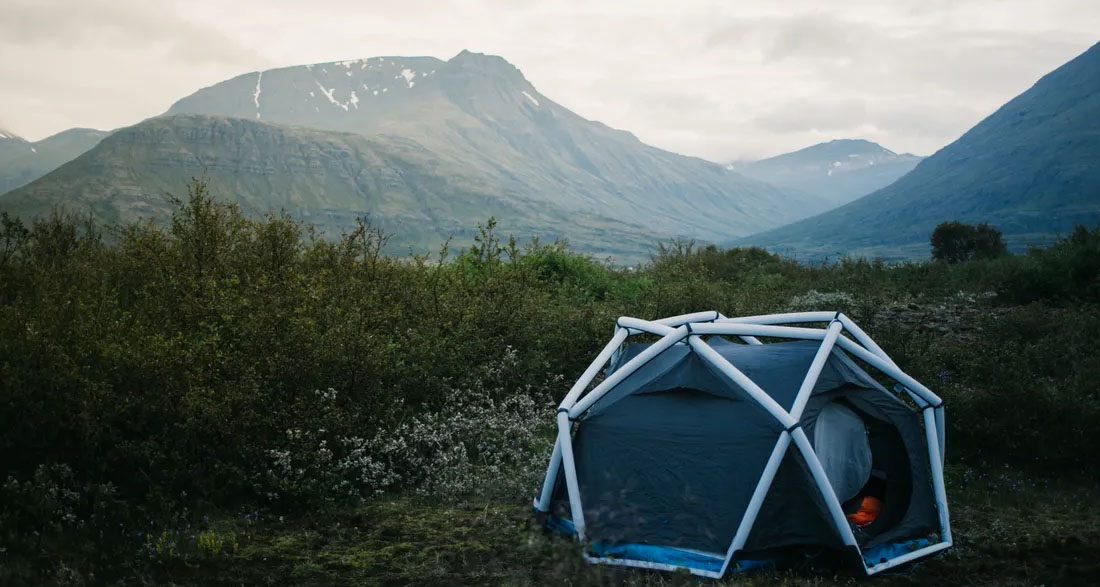
Boots by the door. Trail maps taped to the fridge. Dirt ground into the car’s floor mats. The mountains made me feel brave. And then one storm changed everything.
Twenty years ago, I was hiking alone along a ridge. My name is Claire. Thunder rolled fast and low. The sky had been a clear blue, then flipped in an instant. Wind hit like a slap, branches snapped, and rain started falling sideways. My teeth buzzed from a lightning strike that hit frighteningly close.
And then I heard it.
A sob. Small. Human. Not just scared. Terrified.
“Hello?” I yelled, pushing through wet brush. “It’s okay. I’m here.”
There he was—a little boy, maybe nine. Curled under a pine tree like he wanted to disappear. Shaking. Soaked. Eyes huge.
I crouched slowly, hands up. “Hey,” I said. “You’re safe. I promise.”
He shivered violently. “I—I can’t—” he stammered.
“Don’t be afraid,” I whispered, yanking off my raincoat to wrap him in warmth. His whole body jolted like the heat hurt. I leaned in close. “I’ll protect you.”
“My name is Andrew,” he whispered.
Getting him back to my camp was messy. Mud. Wind. Dusk. He slipped, I caught him. “Hold my hand,” I said. He grabbed it like I was a rope over a cliff.
“Where’s your group?” I shouted over the thunder.
“School,” he cried. “We were hiking. I got turned around.”
“Eyes on me,” I said. “Just me.” He nodded fast.
Inside my tent, I moved quickly. “Boots off,” I ordered. His hands shook too much to untie the laces. I did it for him. I poured tea from my thermos. I shoved dry clothes at him. “Put these on. Behind the sleeping bag,” I said. He changed trembling, his back to me.
I heated canned soup on my camp stove. The storm rattled the tent. Rain hammered the fabric. He ate like he didn’t trust the bowl would stay. Then he looked up at me, eyes wide.
“You came when you heard me,” he said.
“Of course,” I said.
“If it weren’t for you,” he whispered, “I would’ve died.”
“Don’t make it a debt,” I said.
He frowned. “Why not?”
“You’re a kid,” I said. “Adults do this.”
“I’m gonna repay you,” he said. Then he fell asleep, mid-breath, exhausted.
At dawn, he woke with a start and saw me. “You’re still here,” he said, embarrassed.
“I’m still here,” I answered.
“Did I cry?”
“Yes,” I said, shrugging. “You’re alive. Crying is allowed.”
We drove back to the base. His school bus was there. Parents, kids, and one frantic man with a whistle. Mr. Reed. The boy’s teacher. The man who should have been in charge.
“Andrew!” Mr. Reed shouted. “Oh my God!”
Andrew shrank. I stepped between them. “Don’t touch him,” I snapped.
“Excuse me?” Reed blinked.
“You lost a child in a lightning storm,” I said.
“He wandered—”
“Thank you for your… assistance,” I cut him off.
Parents stared. Kids stared. Mr. Reed’s face tightened. He forced a smile, repeating, “Thank you for your… assistance.”
I stared him down. Loud enough for everyone to hear, I said, “Count your kids twice.”
Andrew grabbed my hand, hugged me tight. “You won’t forget me?” he whispered.
“I won’t,” I said.
Life went on. My knees began to ache. Hiking became trickier. Then stopped. I told people it was age, work, bills. Safety. Quiet life.
But sometimes, when wind hit my house, I swore I heard a sob again.
Yesterday, the snowstorm came fast. Thick flakes. Blinding wind. I was folding towels when a soft knock echoed at my door. Polite. Careful.
I opened it. A tall young man stood there. Snow in his hair. A large envelope tucked under his arm.
“Hi,” he said nervously.
My stomach dropped. “Can I help you?”
“I think you already did,” he said. “Twenty years ago.”
I froze. Those eyes. Older now, but the same.
“Andrew?” I whispered.
“Yeah. It’s me.”
Snow blew in behind him. My hands shook. “Get inside,” I snapped.
He stepped in. I locked the door. He stood like he didn’t want to touch anything. I told him to take off his coat, kick off his shoes, and sit.
“How did you find me?” I demanded. “And what’s in that envelope?”
He paused. “Tea first?”
My heart skipped. Tea first. That phrase. I nodded. “Tea. Then talk.”
He finally slid the envelope onto the table. Thick papers, tabs, stamps. A letter on top. I read the first lines. My hands went cold. My mouth opened and closed.
“A deed,” he said quietly.
“To what?”
“Land near the mountain base.”
I stared at him. “No. Absolutely not.”
“This isn’t just a gift,” he said.
I snapped. “Then what is it?”
He slid out an old incident report scan. “Her name is Mia,” he said, tapping a line. “Second student unaccounted for. Same trip. Same adult. The school buried it. Protected themselves. Protected him.”
“You’re the witness,” he said. “The outsider. The one person he couldn’t control.”
My chest tightened. My knee twinged sharply.
“It’s to give you back something,” Andrew said.
I scoffed. “My knees are shot.”
“I know,” he said softly. “That’s why it’s easy trails. A place you can sit and still feel the mountains.”
I whispered, “I started hearing sobbing in the wind.”
He nodded. “Me too.”
Silence. Snow. Wind. Old fear.
“If we do this,” I said, “we do it right.”
“Lawyer,” I added.
He nodded. “Dana. She’s solid.”
“No revenge circus,” I said. “Truth. Only truth. And we file first.”
“Agreed,” he said.
I exhaled. Twenty years of silence. Messes that should’ve been handled long ago.
“I thought I did my part and went home,” I said.
“You saved a kid,” Andrew said. “But the story kept going.”
“I’ll say what I saw,” I whispered.
“Okay,” he said. Relief washing over him.
“Tea first,” I said.
Andrew smiled. Real this time. Tea first.
We shut the door on the storm. And finally, we sat down to make a plan.