

There are two kinds of tired.
One makes your legs ache, your eyes sting, and your brain feel foggy — the kind you fix with coffee and a quiet moment. And then there’s the other kind, the one that sits behind your ribs like a stone, heavy and unmoving… like grief that didn’t quite get the memo.
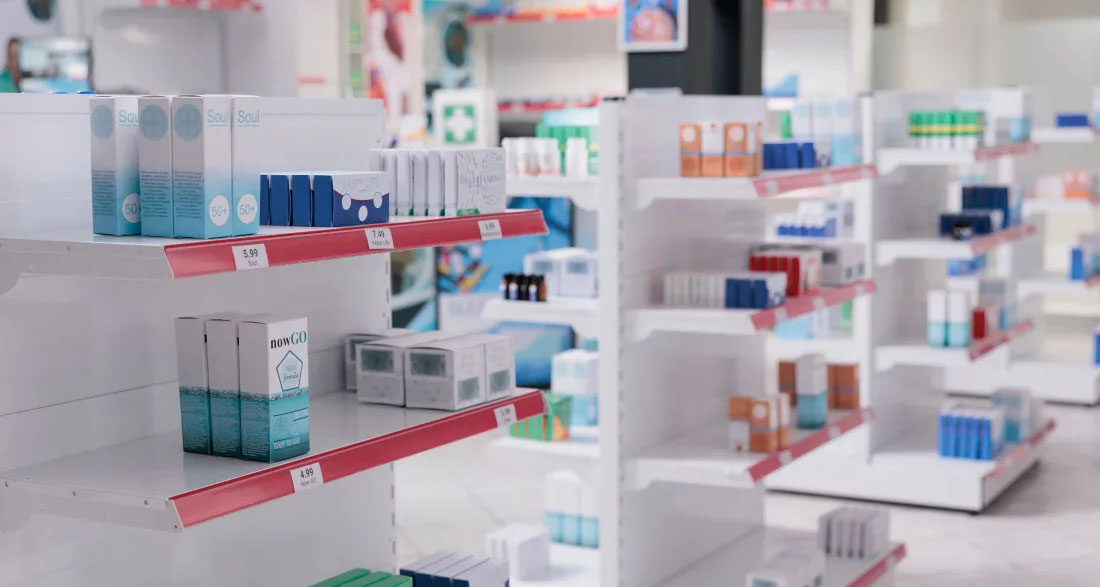
That’s the kind I carried that Tuesday evening as I stood in line at the pharmacy, exhausted from a long day at work.
I was still in my wrinkled button-down, tie half-loosened — the one my daughter Ava insists on straightening every morning, like it’s some little ritual between us.
“You have to look neat, Daddy,” she says every morning, eyes sparkling with that determined little-girl logic.
“And who am I to argue with you, my baby chicken?” I answer, watching her giggle as she tugs my tie into place.
The pharmacy smelled like disinfectant mixed with some overpowering floral perfume — the kind that sticks in your throat. The line wasn’t long, but it moved at a crawl. I scrolled through the girls’ school portal on my phone, checking if Nova’s art project had finally been graded.
And then I heard it.
A soft, sharp inhale — shaky, broken. Someone trying desperately not to fall apart in public.
At the front of the line stood a young woman with a toddler perched on her hip. Her sweatshirt cuffs were frayed. Her hair was up in a bun that had given up somewhere along the day.
The little boy, maybe two years old, had flushed cheeks and curls damp with tears. He looked as if he’d been crying all day, clinging to his mom like she was the only thing keeping the world from collapsing.
She slid her debit card across the counter.
Beep. Declined.
Her shoulders slumped, and her face folded inward quietly, like the world had already beaten her once that day.
“No, no, no… please,” she whispered, sliding the card again. “I need this. He needs this. He can’t wait.”
The pharmacist, a woman who looked like she could fall asleep standing up, softened.
“I’m sorry, ma’am. It’s insulin. I can’t release it without payment. Maybe medical insurance?”
“No, no, no… please,” the woman repeated. “It’s exhausted. He… he can’t wait.”
She didn’t scream or beg. She just held her son tighter. Tears ran silently down her cheeks. The toddler buried his face in her shoulder, fingers clutching her sweater like it was the last safe place on earth.
“I get paid on Friday,” she whispered. “But he needs it tonight. Please… I don’t know what else to do.”
Someone behind me muttered under their breath, a cruel little sigh — a casual reminder that most people only see inconvenience, not desperation.
I didn’t think. I stepped forward.
“It’s okay,” I said firmly. “I’ll pay for it.”
She turned slowly, like I might be a mirage. Her eyes, swollen and red, flickered with disbelief. Hope must have been a luxury she had given up long ago.
“You… you’d really do that?” she asked. “It’s expensive… it’s $300.”
$300. That hit me. Not a small sum. Not just a dinner out. Not a fleeting pleasure. That was groceries. The gas bill. The field trip Ava had been buzzing about for weeks. My carefully tucked-away savings, just enough to make life bearable for a week.
I looked at her. At him. The little boy clinging like he was the only anchor in the world. And my throat tightened.
If that were one of my girls… and someone stepped in to help…
I didn’t hesitate.
“It’s fine,” I said. “He needs it, and that’s what matters. I’m a dad to two little girls. We don’t mess around with health.”
Her eyes welled again. “I don’t know what to say. I — thank you. Can I… can I get your number? I get paid Friday. I’ll pay you back, I swear.”
“Sure,” I said gently. “No rush. My name’s Charlie.”
She saved my contact and looked up, shaky but smiling.
“I’m Tessa,” she said. “And this is Matthew.”
“Hi, Matthew,” I said softly, and he peeked at me before ducking back into her shoulder.
She thanked me over and over as she clutched the insulin like it was gold, finally rushing out the door. I felt lighter somehow, as if a small burden had lifted off my chest.
“Anything else, sir?” the pharmacist asked.
“Cold medicine,” I said, thinking of my girls back home, both battling sniffles.
The next morning, while giving Ava and Nova their medicine, my phone buzzed.
“Open wide, monkey,” I said to Nova, who made a silly face as she reluctantly took her syrup.
Ava climbed into my lap. “Can we have pancakes again?”
I glanced at my phone. Tessa.
“Thank you again, Charlie. Matthew is feeling so much better. It’s all thanks to you.”
An image came with the message — Matthew smiling with a juice box and a toy dinosaur.
“Who’s that, Daddy?” Ava asked.
“Just someone saying thank you,” I said, smiling at the little boy on the screen.
I saved her number.
Two days later, chaos was afoot. Ava couldn’t find matching socks. Nova’s white sneakers had vanished into the black hole of the living room. There were cereal spills everywhere. The poster due today had not been touched. And then came pounding on the front door — not gentle knocking, but a deliberate, angry hammering.
I opened it.
A man, mid-forties, rough, stained shirt, bloodshot eyes, a faded tattoo curling up his neck, stood on the porch.
“Hey. Are you Charlie?” he asked, stepping closer.
“I am. Who are you?”
“So, you’re the idiot who paid for insulin at the pharmacy?”
The air shifted, electric and threatening.
“Yes,” I said calmly.
“You had no right,” he growled, jabbing a finger into my chest. “You think just because you’ve got money and a savior complex, you can swoop in and fix things that don’t concern you?”
“What?”
“You think you can play daddy to my kid?”
I stayed calm, but my heart thumped. My girls were inside. I didn’t want him near them.
“Your son needed insulin. He could have died. That’s what mattered to me,” I said firmly.
His lip curled, the alcohol on his breath hitting me like a slap.
“Are you seeing Tessa?”
“No. And this conversation is over. Get off my property. Now.”
He stepped closer. “Apologize for being a hero.”
I shut the door just in time and called the police. By the time they arrived, he — Phil, I’d later learn — was gone. I filed a report, showed the footage. The officer promised to keep patrol cars nearby.
I texted Tessa:
“Hey, did you give someone my number? A man came by. He said he’s Matthew’s father.”
Typing dots appeared. Then her reply:
“Oh my gosh. Charlie, yes. That’s Phil. I didn’t want him to have your number, but he wouldn’t stop yelling. He has a brother who’s a cop — probably ran your info. I’m so sorry.”
I called. She picked up immediately, voice tight and shaky.
“He’s unpredictable when he drinks,” she said. “He always finds a way to get to me.”
“Tessa, it’s not your fault,” I said softly.
“I work part-time at a diner. Phil promised to step up… he cleared out our account. I couldn’t even get Matthew’s medication.”
“Do you want help? Real help. Legal help?”
There was a pause. Then surrender.
“Yes, Charlie. Please. I can’t do this anymore.”
We met Friday morning at the courthouse. I brought coffee and a pen. I helped her fill the forms line by line. She held it together until the last page, then sank into a chair outside, quietly crying.
“I’m okay,” she said. “It just… feels real now. It’s over.”
Later that week, we met outside the girls’ school. She handed me an envelope.
“$300,” she said. “You really don’t have to.”
“I do,” she smiled. “I need to.”
My girls ran toward us, green paint on Nova’s hands, Ava still in her leotard.
“Is that the baby you helped, Daddy?” Ava asked.
“Is he going to be our friend? Or maybe a cousin? Or a brother?” Nova asked.
Matthew looked up from his dinosaur, grinned, and waved.
“They’re adorable,” Tessa said softly.
That weekend, we had pizza, went to the park, watched movies. Eventually, nearly a year later, Tessa’s toothbrush appeared in my bathroom like it belonged there.
Fast forward two years.
We’re married. My girls call her Mom. Matthew calls me Dad. Sometimes I catch her in the kitchen, stirring pasta while the kids argue over crayons, and I think back to that pharmacy.
And the $300 that changed everything.