

My wife and I tried for years to have a baby. We went through every test, every appointment, every hope—and every heartbreak. When we finally got pregnant, our joy was enormous. For a moment, it felt like the universe had finally smiled at us.
But then it all came crashing down. Late in the pregnancy, we lost the child.
Hannah stopped smiling. She stopped living. The bright, warm woman I married became a shadow in our own home. I tried everything—holding her hand, talking, making her laugh—but it was like she’d disappeared inside herself.
One night, I found myself sitting in a small, empty church. I wasn’t planning on praying that night. I’m not sure I even fully believe in signs or miracles. But I whispered one broken request into the quiet:
“Please. Give my wife her joy back.”
I didn’t ask for a baby. I didn’t ask for a miracle. I just wanted Hannah to smile again. To laugh. To hum while making coffee in the morning, like she used to.
I left the church, stepping into the cold night, feeling the weight of my own desperation. The streets were empty, streetlights flickering dimly over frozen sidewalks. I cut through the alley behind the laundromat to get to my car, my breath clouding in the icy air. And then I heard it… a baby crying.
At first, I thought I imagined it. After losing a child, your mind plays cruel tricks. You hear phantom cries in grocery stores. You see strollers, and your heart aches like it’s being ripped out. But this cry was real—thin, desperate, and loudening as I walked toward a dumpster at the end of the alley.
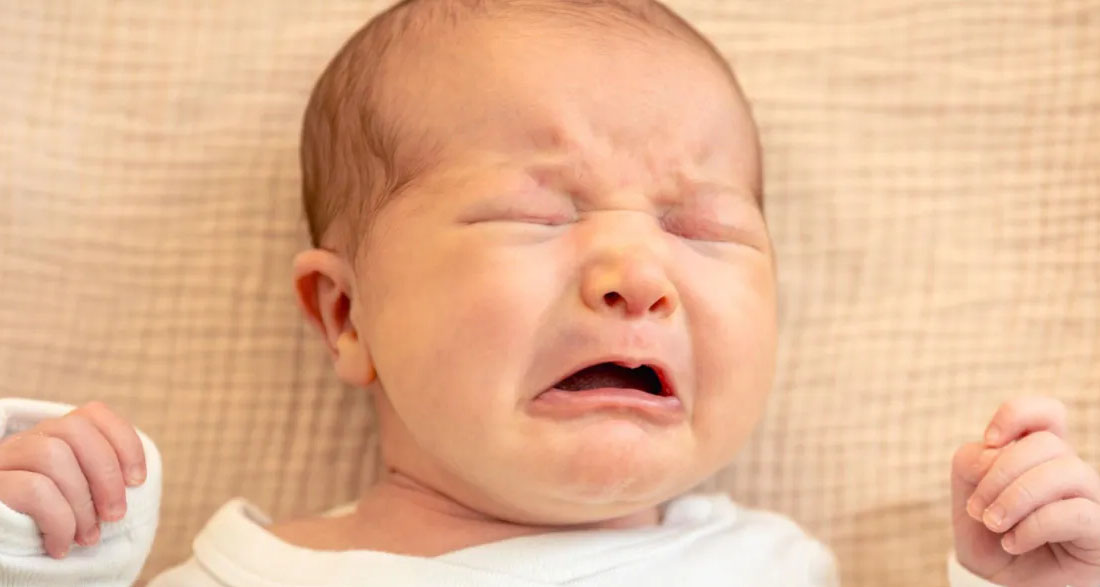
There she was. A teenage girl, maybe sixteen or seventeen, hoodie pulled tight over her head, tears streaming down her face. In her arms was a newborn, red-faced and wailing like the world had already broken its promise to him.
I stopped a few feet away and tried to keep my voice calm. “Hey… miss? Are you okay? Do you need help?”
She snapped, “Go away.”
“It’s freezing. The baby…”
“Leave, or I’ll call the cops!”
I should’ve walked away. I knew that. A grown man approaching a teenage girl in an alley is dangerous territory. But when I heard that baby, something inside me snapped. Not after what we’d lost. Not after watching my wife die a little every day.
“Okay,” I said slowly, “then I’ll call them. Because you look like you’re about to pass out.”
Her tough façade broke. She grabbed my sleeve, trembling. “No. Please. Don’t. They’ll take him.”
Her name was Kara.
Through shaky whispers, she explained that her father had kicked her out when he found out she was pregnant.
The boy who had promised to stay had disappeared. She had been surviving on scraps, sleeping wherever she could, trying to keep her baby, Milo, alive with nothing but sheer determination and terror.
“I’m not a bad mom,” she said, voice cracking. “I’m trying. I just don’t know how.”
I looked at her holding that tiny, fragile baby, and I saw what desperation really looked like.
“Come with me,” I said gently. “Just for tonight. Warm bed. Food. We’ll figure it out tomorrow.”
She stared at me like kindness was a trap. Then, after a long pause, she nodded once—fast, almost afraid to trust herself to say yes.
The drive home was quiet. I felt a pit of fear in my stomach. I wasn’t just bringing strangers into my house—I was bringing a baby into the home where my wife still slept with one hand on her stomach, sometimes, as if her body hadn’t accepted the truth yet.
Let me back up. Hannah and I had been together long enough that nobody asked if we wanted kids anymore. The truth was uglier than polite curiosity: we wanted a baby more than anything. We tried everything, year after year.
Our lives became a calendar of hope and disappointment—doctor appointments, fertility treatments, conversations that ended in silence.
When the positive test finally came, it felt like the universe was apologizing. Hannah whispered names, bought tiny onesies, hid them in drawers, dreaming out loud. And then… it was all gone.
We lost the baby late enough that we had an ultrasound photo on the fridge. Late enough that we had heard the heartbeat. Late enough that the grief didn’t scream—it stole Hannah from me slowly, like a shadow swallowing the light.
When we got home, Kara froze on the porch, Milo fussing in her arms. And there was Hannah, standing in the doorway. She looked at Kara, then at the baby, and something raw and exposed flickered across her face. Like her grief was saying, “Oh, so the universe wants to torture me now?”
I rushed out explanations, tripping over words. “I found her behind the dumpster. She has nowhere to go. It’s freezing. Just for tonight. I didn’t—”
Hannah didn’t yell. Didn’t cry. She just stared at Milo like he might vanish if she blinked. Kara whispered, “I can leave…”
And then my broken, quiet wife stepped aside, barely audible: “Come in.”
That night was tense. Kara sat on the couch like she expected the floor to swallow her. Milo cried off and on. Hannah lingered in the hallway, unsure, cautious. But then, without a word, she moved. Warmed water. Set towels. Built a blanket nest for the baby.
Then she grabbed her coat. “Formula. Diapers. Something warm for him,” she said flatly, shaking. She returned an hour later, loaded with supplies, as if she’d been preparing for this her whole life.
In the middle of the night, I woke to see Hannah on the couch, Kara asleep beside her, Milo against Hannah’s chest. Tiny breaths rising and falling. Like a miracle she didn’t believe she deserved. I cried quietly in the dark.
The next morning, I woke up to laughter—baby laughter. And Hannah was making it happen. For the first time in months, she smiled. She insisted Kara and Milo stay longer, until we could figure out what to do.
It wasn’t perfect. Healing isn’t perfect. Some nights Hannah still cried. Some mornings she stared at Milo with distant eyes, as if she was holding two babies at once. Kara flinched at loud noises, apologizing for everything, fragile from years of neglect. But our house was alive again.
Then the storm came.
A few weeks later, a knock came at the door, hard and angry. A man with hard eyes and a tight jaw stood there.
“So this is where you’ve been hiding,” he said loud enough for Kara to hear. Kara froze.
“Who are you?” I asked.
“I’m Kara’s father. She’s a minor. She’s coming home. And this girl is hiding something terrible from you.”
He held up his phone. A photo of Kara, clean and polished, in what looked like a mansion. “She can come back. But the baby doesn’t.”
Kara’s father called her selfish, reckless, and unworthy of help. I could hear Kara crying.
Hannah stepped behind me. “You kicked your child out. You’re not here to protect her—you’re here to punish her,” she snapped.
The man tried to push past me.
“If you try to come in, I’m calling the police,” Hannah shouted. “We’ll tell them you kicked out your underage daughter, refused her a home, and terrified her.”
He froze. Hated paperwork. Hated consequences. And he walked away.
Inside, Kara shook, unable to hold Milo. Hannah sat beside her and held her, like she was holding her own younger self.
That night, Hannah said something I’ll never forget.
“We lost our baby,” she said softly, “and I thought my body was a grave. But this house can still be a home.”
We did the adult, terrifying thing. Documented everything, got a lawyer, contacted agencies. Kara got counseling, medical care. And because she was a minor, and her father couldn’t provide safety, we were granted legal guardianship.
Now? Kara is finishing school. Working part-time. Milo is thriving. And Hannah… she laughs again. Truly laughs. Some days are still hard. Grief still visits uninvited. But she’s not gone anymore.
We didn’t get the child we prayed for. But we got the chance to be a family. I asked for a sign that joy wasn’t gone forever. I didn’t expect it to cry behind a dumpster, arrive in a terrified teenage girl’s arms, and show us that love could still be found in the darkest nights.
Some families are born. Some are built. And some are found behind dumpsters on the coldest night of the year.
We didn’t replace what we lost. But somehow… we became whole.